Posted on

B-47 Stratojet: An Illustrated History of Its Development and Operations

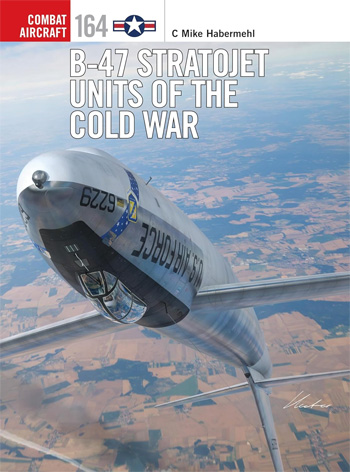
Coming later this year from Osprey Publishing and author C. Mike Habermehl is B-47 Stratojet Units of the Cold War, an illustrated account of the development and operations of one of the most influential aircraft of the Cold War.

The B-47 Stratojet was the most numerous jet bomber to ever serve with the USAAF’s Strategic Air Command (SAC), and arguably Boeing’s most significant aircraft. Initially plagued by design and production problems, it eventually proved to be a capable medium-range bomber, an influential testbed, and an effective reconnaissance platform, paving the way for the successes of the B-52 and the KC-135. The Stratojet also provided SAC with crucial lessons – sometimes at the cost of lives – that moved operations such as aerial refuelling, combat tactics, global reconnaissance and strategic deterrence from the glacial pace of World War 2 into the jet age of the Cold War.

This detailed new study sees Stratojet expert Mike Habermehl draw upon more than 50 years’ research to assemble a complete operational history of the B-47 in all its roles. First-hand accounts and archive photographs are combined with SAC correspondence, documents, and manuals, helping to bring to life the fascinating story of this profoundly influential aircraft.

The 96 page book is currently available for pre-order in paperback and Kindle editions with release set for December 15.

Product Page

Please Note: This post contains an Amazon affiliate link. When you purchase through links on our site, we may earn an affiliate commission.

Posted on

Avro Vulcan AEO Sets Out to Answer Common Cold War Question in New Book

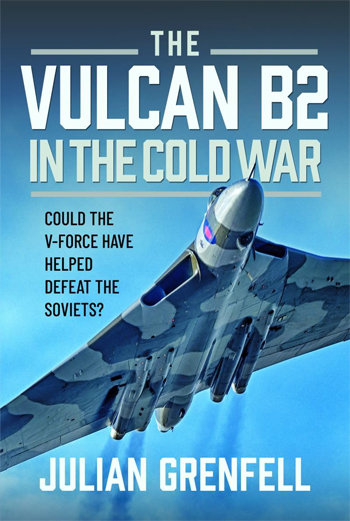
Coming soon from Air World and author Julian Grenfell is The Vulcan B2 in the Cold War: Could the V-Force Have Helped Defeat the Soviets. Written by an Air Electronics Officer with some 4,500 flying hours in Avro Vulcans, the new title sets out to answer the commonly asked question about Cold War V-force nuclear deterrent: “If the balloon had gone up, would it have got through?”

The Vulcan B2 in the Cold War analyses the state of air power in the early years of the Cold War, examining the hot wars of Korea and Vietnam, as well as the early versions of Soviet and Chinese air defence systems and how effective they might be at countering the RAF’s nuclear bomber fleet. The UK’s deterrent had to be survivable of a Soviet pre-emptive ballistic missile strike, or had to be airborne before such a strike took place. The early warning system provided Bomber Command’s headquarters with some 3½ minutes to 4½ minutes warning to get the V-force airborne. The average time to get these aircraft airborne was an astonishing 1 minute 53 seconds.

The author explains the ‘combat environment’ the Vulcan would have to fly into to be able to release its weapon. It would have to be capable of outpacing enemy fighters and avoid detection from the radars of surface-to-air missiles. Such factors were considered in what was called the ‘Probability of Kill’. The effectiveness of the Vulcan in evading Soviet defences was put to the test during several critical moments of the Cold War. One such instance was the Cuban Missile Crisis of 1962.

Another supremely important element of the Vulcan’s role was the nature of the weapon the Vulcan carried and its method of delivery. All of this is discussed in this intriguing investigation into how the Vulcan, and more specifically the B2 variant, would have fared should the Cold War have turned ‘hot’.

The 256 page, hardcover book is currently available for pre-order with release set for May 31.

Product Page

Please Note: This post contains an Amazon affiliate link. When you purchase through links on our site, we may earn an affiliate commission.
Posted on

Shaping the Avro Vulcan: A Full History of its Development and Engineering

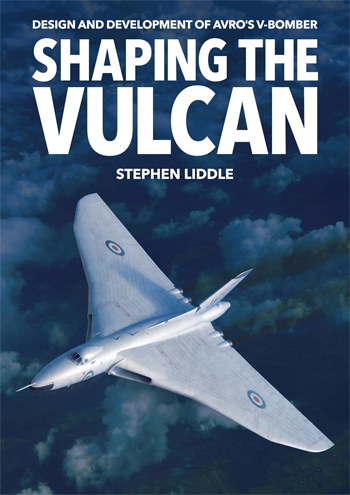
Coming soon from Tempest and author Stephen Liddle is Shaping the Vulcan, a full history of the Avro Vulcan’s development and assessment of the technological and engineering breakthroughs which underpinned the construction of this unparalleled aircraft.

The Avro Vulcan is one of the most striking aircraft ever made – its enormous wing stretching back from an improbably thick leading edge marked by cavernous wing root engine intakes. Perhaps even more incredible, its first flight was made just over ten years after the introduction of the piston-engined Lancaster during the Second World War. Within a decade, technology had taken a giant leap from straight-winged slow-moving conventional bombers to this vast delta designed to carry a nuclear payload. But what led to such a radical configuration and what was the technology that enabled such an ambitious design? What possessed Avro to offer the Air Ministry such a futuristic aircraft and what prompted the Ministry to approve its development and entry into service?

The 350 page hardcover book is currently available for pre-order with release set for May 14.

Product Page

Please Note: This post contains an Amazon affiliate link. When you purchase through links on our site, we may earn an affiliate commission.