
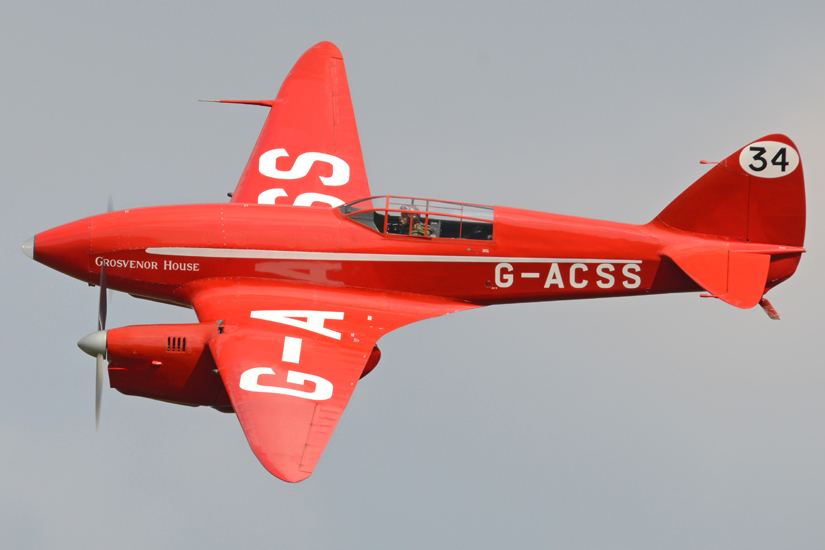
Shuttleworth has provided an update on plans for their original de Havilland DH.88 Comet following an incident at their Flying Proms Air Show on August 15 that resulted in significant damage.
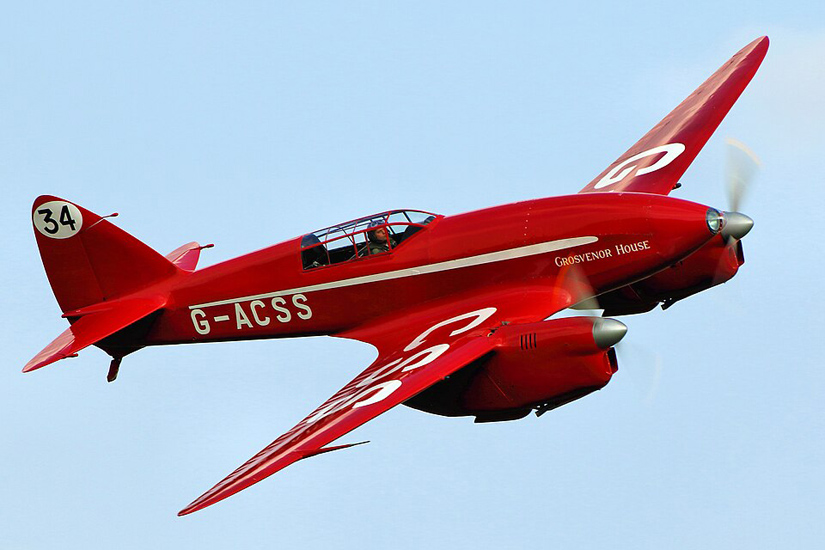
The organization states that they have reached an agreement in principle with their insurers that will allow detailed assessment and repairs to begin. A fundraising appeal has also been launched to help facilitate repairs, restoration and preservation. The goal is not only to return the historic aircraft to the air, but to do so in time for the time for the 100th Anniversary of 1934 MacRobertson Air Race from England to Australia, which was won by “Grosvenor House” (G-ACSS) in 70 hours 54 minutes. This is the very aircraft Shuttleworth is now working to restore.
Our aim is to raise £250,000 over the next 18 months to ensure that G-ACSS not only flies again but emerges from this restoration with a more extensive spares holding to support its long-term operation for future generations to experience and enjoy.
As previously reported, the aircraft rolled over on landing at the event and the pilot was extracted and sent to the hospital, being discharged soon after. Full details on the restoration plan (and a donation link) can be found on Shuttleworth’s dedicated project page.
(via Shuttleworth Photo: Alan Wilson from Stilton, Peterborough, Cambs, UK, CC BY-SA 2.0, via Wikimedia Commons)


.jpg)